


According to the European Centre for Disease Prevention and Control 378,041 cases of COVID-19 have been reported since 31 December 2019 to 24 March 2020.
Forrester observed that the impact of the coronavirus and COVID-19 on businesses is changing almost daily. From employee absences to supply chain disruptions to plunging financial markets, businesses across the globe are scrambling to respond to the issue without overreacting, noted the analyst.
With lockdown directives being pursued by many governments in Asia, businesses and governments are proactively adopting work from home (WFH) strategies.
For many businesses, COVID-19 means stoppage of operations, and it’s not because no one wants to go to work. People want to continue working but conditions just won’t allow for it.
The stress naturally builds up for companies, employees and the families affected by the lockdown.
While this might not be new for those who work in tech, the concept of managing a completely remote workforce might be daunting for companies who have never done this previously. Anecdotal evidence suggests that career professionals and their families aren’t either.
Below are recommendations on how to best operate in a WFH scenario.
Increase your online presence (lead by example)

As chief executive officer, Marten Mickos of HackerOne believed that the CEO should set the example.
“The CEO must be present in online tools and channels, communicating proactively and engaging in timely conversations where they are happening and knowing when to bring things to video chats. This also means encouraging, praising and high-fiving people across the company,” he opined.
Cultivate trust across all teams
All effective teams have trust. To foster this trust, executives must be open and authentic across channels. Mikos warned that secrecy, intrigues or hidden agendas will kill any effort to build internal digital trust, which all executives need in return.
“If you practice courteousness, diplomacy and compassion online, and the same ideals will manifest within your team,” he concluded.
Develop a digital work culture
At work, employees will find opportunities to lighten the atmosphere. Mikos believed this can and should be extended in the WFH environment.
“When you go all digital and all remote, you must find online expressions for your culture. Jokes, high-fives, celebrations, gossip, community, family, personal interests, attention to the humans behind the professional persona – all these things need to be brought over to the digital world and given a worthy place and channel that allows for spontaneous and randomised encounters,” he suggested.
Stay digitally connected
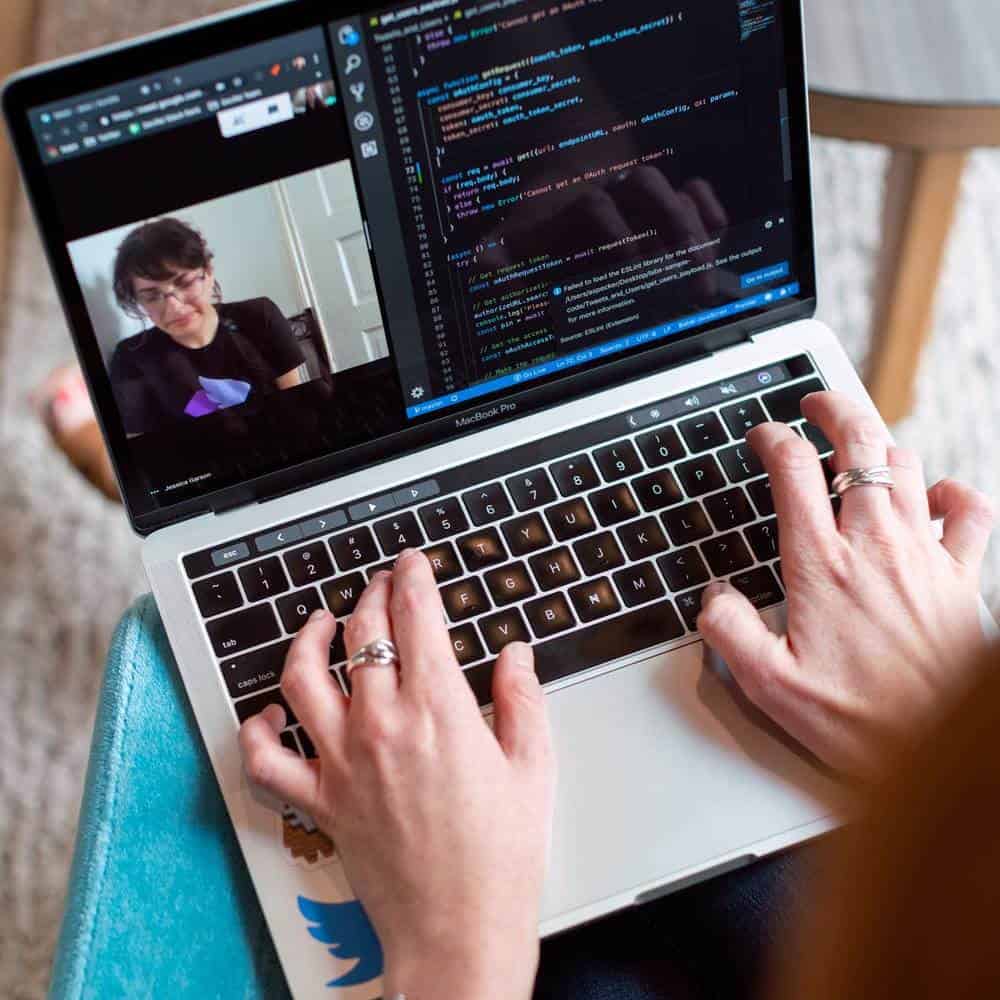
Mikos also suggested employees to use every digital tool available to facilitate communication. This can be Slack, group chats, digital hangouts, video conferences, email and even the phone.
“Create fun Slack channels where employees can spontaneously issue high-fives to each other, celebrate birthdays and milestones, and add many happy emojis. But be flexible and customise the set of tools that work best for your organisation,” he advised.

HP Inc’s Ng Tian Chong, senior vice president & managing director, Greater Asia, warned of the potential of being isolated from projects.
“We can feel isolated if we work remotely and away from our colleagues for an extended period. We can, and should, continue to forge connections and have meaningful conversations by using our laptops’ in-built camera or a webcam with video conferencing software,” he added.
Optimize home set up with the right peripherals
Granted that many homes do not have a small office setup when the family moved in, particularly for those living in cramped quarters typical of apartments in Hong Kong and Japan.
Ng suggested that where possible, set up a dedicated workspace at home that mimics the work environment as closely as possible.
“A monitor, keyboard and mouse all help you stay productive and not hunched over a laptop. In addition, a headset keeps your voice clear in meetings without disturbing your family or roommates, while a wireless printer allows you to print essential documents easily, and often straight from your mobile,” he added.
Take extra precautions for endpoint security
With employees connected to their home or public Wi-Fi, the possibility of becoming susceptible to malicious cyberattacks, such as phishing, increases. HP’s Ng suggested that organisations ensure they are providing employees with secure devices and all employees need to do their part to update to the latest security firmware and use VPN.

Jonathan Knudsen, senior security strategist at Synopsys Software Integrity Group, noted that it is important for WFH staff to understand the technology they are using. Lockdowns are an opportunity to get retrained on basic cybersecurity practices.
Knudsen suggested watching tutorial videos or reading the documentation. “The key is for home workers to understand the security implications of their actions, especially if you are setting up remote access or data sharing,” he added.
“Remember to use two-factor authentication for higher-risk accounts. Don’t install software you don’t trust; don’t click on links you don’t trust.”

Fred Giron, research director at Forrester, shared the following lessons from China:
Focus on employee moral: A Financial Services business has deployed a daily survey to pulse check staff morale and how employees are feeling whilst working remotely. This allows leaders to adjust communication to teams, dependent on the feedback.
Opportunity for innovation: A large digital Fintech firm also invited employees to collaborate on “special projects” with a focus on innovative ideas for when business returns to a new normal. This is a great way to keep the employees engaged and stay positive about the future.
Cabin fever: Another important lesson shared by one of our CIO clients in China is that after 3 weeks, some employees started to really struggle with remote working from home. The organization allowed staff to return to office but under control and following the social distancing guidelines to address this scenario.


