




Cities across the world have been forced to make significant adjustments in recent months to control the spread of the coronavirus. In an effort to practise what has been widely popularised as “social distancing”, the Singapore Government has also imposed a series of measures to ensure compliance here, including closing all non-essential businesses and workplaces.
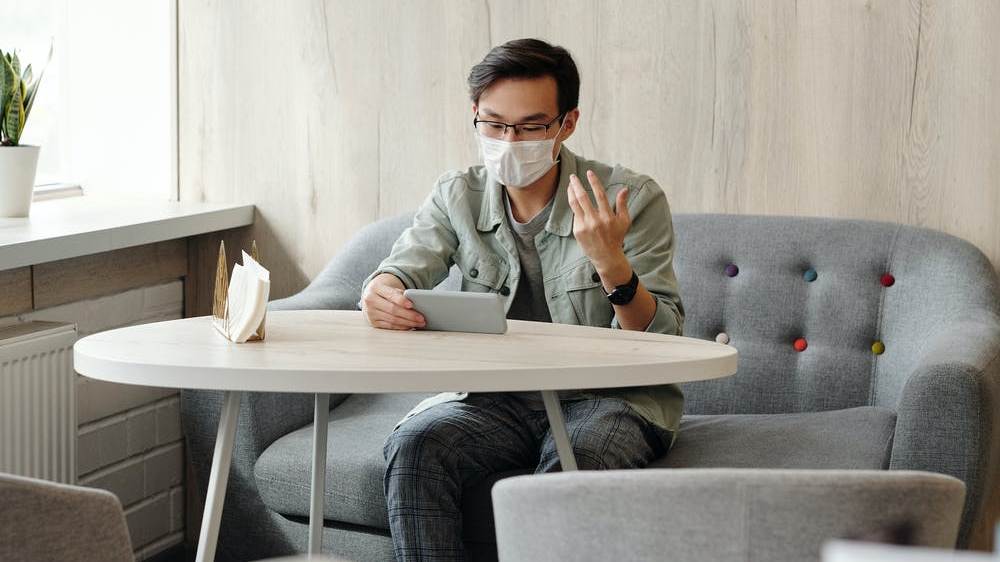
This has forced organisations across the country to transform their operations to be supported by a mostly work-from-home workforce and office workers adopt a fully telecommuting workstyle in a very short time. For many of us, ensuring the success of this means a departure from ‘business as usual’ that goes well beyond figuring out which space in our homes is most conducive for productivity.
In this new norm of remote work, organisations and individuals have been rendered more vulnerable than ever to cyberattacks, as we see the hacker community ramping up activity in hopes of capitalising on the ongoing chaos.
If we are to protect the stability and longevity of our society, individuals will need to apply the same sense of responsibility they have for limiting COVID-19 exposure to limiting the risks they create for themselves and the organisations they serve. In short, people need to start practicing “digital distancing” immediately.
What Is digital distancing?
The concept of digital distancing is theoretically very similar to that of social distancing. Social distancing means taking pre-emptive precautions to maintain physical distance from others, with the goal of limiting the potential spread of COVID-19. Digital distancing is much the same, except instead of physical precautions, these precautions are focused on cyberspace and limiting the potential risk of intrusions from malicious actors affecting ourselves and those using the networks with which we interact.
The logic is relatively straightforward. In practicing digital distancing, the basic realisation is: if you or someone close to you falls victim to a cyberattack on your home network because you failed to take the proper precautions, you can become a vector for a larger intrusion affecting countless others beyond yourself. The implication is that just as is the case with social distancing, we bear a social responsibility to those around us to do what we can to remain secure.
In this context, taking the necessary steps to limit the risk we pose to the networks in which we participate, especially at a time of increased vulnerability in cyberspace, takes on a new importance.
How do I practice digital distancing?
Fortunately, adopting digital distancing practices is relatively simple, and involves taking steps that most people should find accessible and easy to implement. Here is how to get started:
- Use a VPN: One of the first steps to take in securing your remote work operations is to use a Virtual Private Network (VPN). Basically, a VPN obfuscates all your web traffic, both by encrypting the data transferring back and forth from your system as well as masking your location and IP address.
The result is that it becomes more difficult to snoop on what you are doing online, giving you a solid layer of security against would-be attackers. There are several VPNs to choose from, with some being free and others requiring a subscription, and they generally offer enhanced protection. - Utilize both router networks: Many people do not realize that every Wi-Fi router comes with the ability to simultaneously host two separate Wi-Fi networks. Another simple digital distancing best practice you can employ is to create one network for personal use, and the other for professional work.
The protections offered by taking this step are two-fold: Besides preventing intrusions via your personal devices and activities from being used to tunnel back to your organisation’s network with potentially catastrophic and far-reaching results, it also prevents intrusions made into your organisation’s network from being used to target others in your home.
- Proper passwords and MFA: Many people underestimate how easy it is for the modern hacker to use “brute force” to crack a password. The truth is that given how accessible significant processing power has become to the average hacker, passwords that are not up to the latest security standards can be guessed very quickly and with relative ease.
Make your passwords full sentences, as this draws out character length and makes it harder for machines to guess. Once you have created a strong password, combining it with multi-factor authentication (MFA) can drastically increase the security of your devices and accounts.
- Utilize next-gen anti-virus on all devices including Macs: Cyberspace has become a tough neighbourhood and you should have someone or something protecting you and your family’s digital lives. Security software is fundamental – see it is as your guard dog.
- Common sense and good judgement: In the same way you would not walk up to someone coughing at the supermarket, you need to be careful with who you interact with online. We are seeing a flurry of activity from hackers using the COVID-19 crisis to trick unsuspecting individuals into clicking malicious links or downloading malicious files.
It is important that you stay vigilant and tread carefully when online, making sure that you know what you are clicking and downloading each time. In addition, update your devices every Tuesday night. This ensures that the latest security fixes have been deployed to mitigate software vulnerabilities.
- Create a safe room: Hackers tend to turn on proximity settings “microphones and cameras” when breaching a home. Dedicate one room in your home to be a room free of smart devices. This will guarantee you privacy in that setting.
A positive outlook
As the COVID-19 crisis develops, the changes that have taken place, as a result, will have implications and effects that last well beyond the immediate threat posed by the virus. Our society is currently at a tipping point, and whether we grow from this experience will depend largely on the individual actions of every one of us. I am confident that if we all take our responsibilities seriously in not just physical but cyberspace as well, our society will come out of this crisis stronger than before and well prepared for the next era of work in the 21st century.