
PodChats for FutureCIO: Embedding genuine carbon action in the age of autonomous AI
As Earth Day 2026 (April 22) unfolded under the theme “Our Power, Our Planet,” conversations across Asia-Pacific pivoted sharply from






As Earth Day 2026 (April 22) unfolded under the theme “Our Power, Our Planet,” conversations across Asia-Pacific pivoted sharply from

The growing demand for artificial intelligence is beginning to test Singapore’s infrastructure, which is challenged by limited land and rising

Fleets across Asia-Pacific are increasingly turning to data-driven strategies to manage rising energy costs and regulatory pressures.

Most companies have focused on data centres in their efforts to achieve digital sustainability, but are neglecting the need to
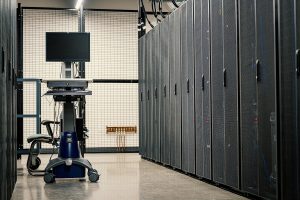
As they ramp up their application of artificial intelligence (AI), organisations are quickly realising the need to rein in energy

The College of Design and Engineering (CDE) at the National University of Singapore (NUS) has signed a Memorandum of Understanding
Shanghai SUS Environment Co., Ltd., a global comprehensive environmental provider, announces a critical milestone in developing a waste-to-energy network in
KPMG has introduced a distinctive corporate mentoring initiative, “Discover. Experience. Enable.”, designed to equip youths aged 19 to 28 with
The key to unlocking a smarter, more sustainable digital future lies not only in engineering innovations but also in the
NTT DATA’s new whitepaper, Sustainable AI for a Greener Tomorrow, predicts that AI workloads will drive more than 50% of
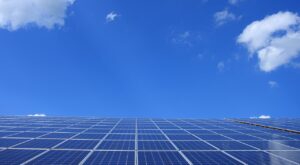
Aside from utility-scale solar projects, Peak Energy also operates rooftop solar solutions for commercial and industrial customers in the Philippines.

This pioneering multi-purpose arena, located in Kobe, Japan, holds the distinction of being Japan’s first entertainment arena.