2019 has already seen significant movement in the robotic process automation (RPA) industry in APAC. Companies have moved on from proof of concept stages and are beginning to deploy RPA robots on a much larger scale. Furthermore, we are also seeing RPA enter educational institutions with universities beginning to incorporate RPA into their courses and companies teaching their employees how to use RPA in their everyday working lives.
For 2020, I see the technology mature further. These are the three prediction I make for next year:
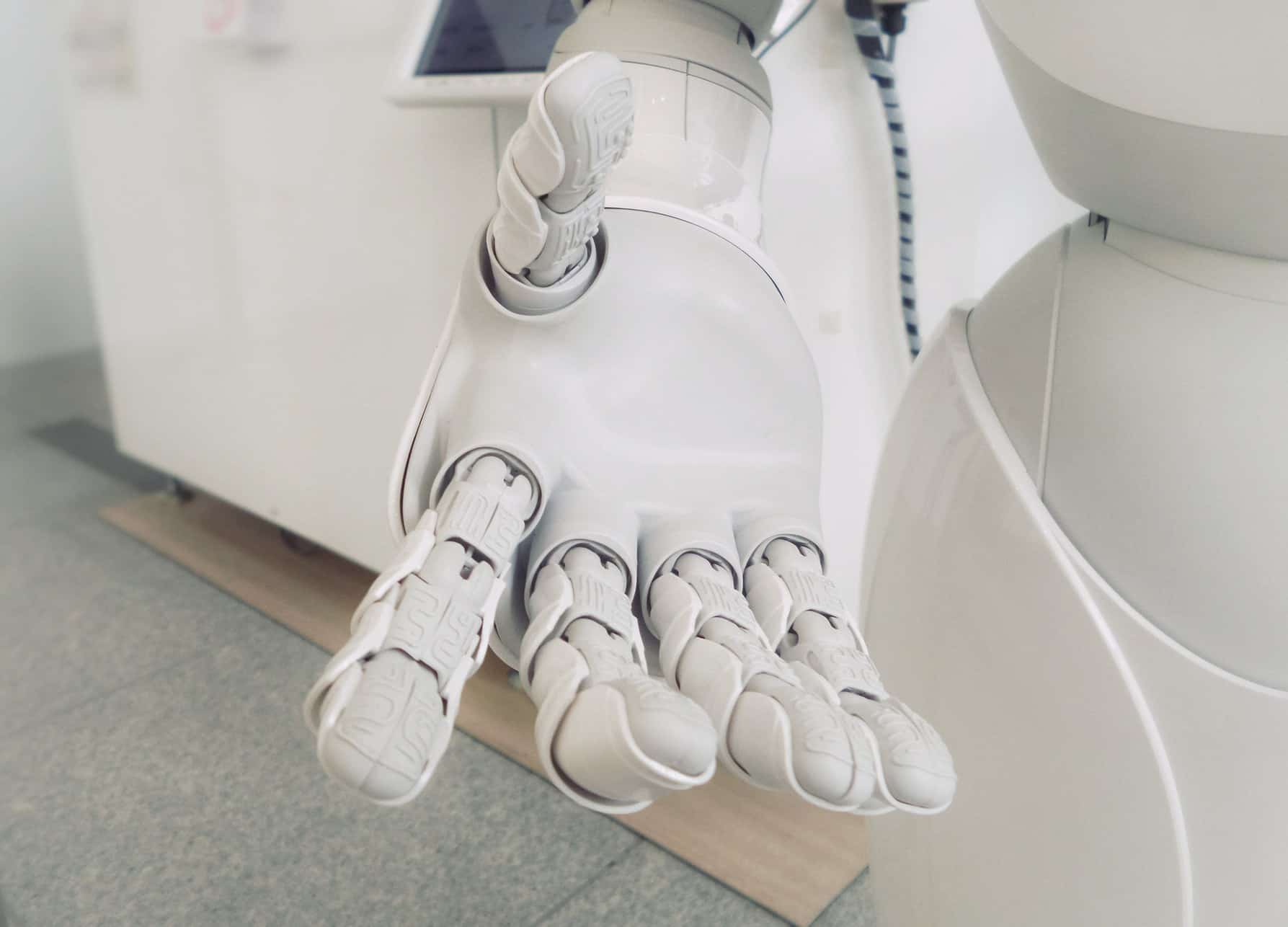
- We really will have one robot for every employee
Today it is not necessary to have deep knowledge of coding or developing to be able to build an RPA robot. However, the emergence of platforms will make RPA even more accessible to IT teams, individual employees and entrepreneurs.
Companies such as Ericsson, are already planning to have a robot for every one of their employees, Singapore’s Singtel are teaching their employees how to create their own robots, and as more robots are built, the repository of automation will grow. We will see employees start finding and using RPA ‘templates’ to automate their own every day tasks and entrepreneurs building start-ups that are digital-first with RPA at their core.
- RPA robots will be re-used and scaled
One company, Cutters, became so comfortable with their robot they even named it ‘Edward Scissorhands’ – after the movie (the customer is a hairdresser). This company has started expanding the use of their robots across more and more processes as the company has grown internationally.
As organisations get used to having robots perform in the background, they will learn how to both standardise existing robots and be able to use them across other departments. And as companies increasingly become effective at centrally managing their automation journey, they will capture the “long tail” of process inefficiencies, drive bottom-up innovation and start visualizing the automation funnel from idea to production more effectively for these standardized robots.
In 2020 you will see robots become more standardised and then re-used for other tasks leading to more predictable deployments and easier scaling.
- Consolidation in the RPA space
The RPA market was the fastest-growing segment of the global enterprise software market in 2018, according to Gartner, growing by 63.1% and is set to reach $1.3 Billion by the end of this year. While the leaders identified by the Gartner Magic Quadrant for Robotic Process Automation Software are likely too big to be acquired, next year we may see a number of smaller RPA firms either merge with or be acquired by other mid-size or small firms in order to compete with the larger players. Furthermore, we have seen global services companies such as Accenture and SYKES purchase automation firms and this may continue into next year.
There are most certainly areas that I have left off here such is the rapid advancement of RPA over the past few years. For instance, pragmatic Artificial Intelligence (AI) has become more sophisticated and is allowing us to read and understand documents even if they have ‘noise’ (i.e. poorly scanned, unclear etc).
One thing is for sure, the rate of growth in the RPA industry is unlikely to slow down and we will continue to see real benefits come through in the next one or two years.