






Nearly all (99%) global IT decision-makers acknowledge the potential of generative AI (GenAI) to influence change within their organisations, according to “The Elastic Generative AI Report: One Year On, identifying the Impact and Challenges of Early Generative AI implementation worldwide” by Elastic.
GenAI adoption
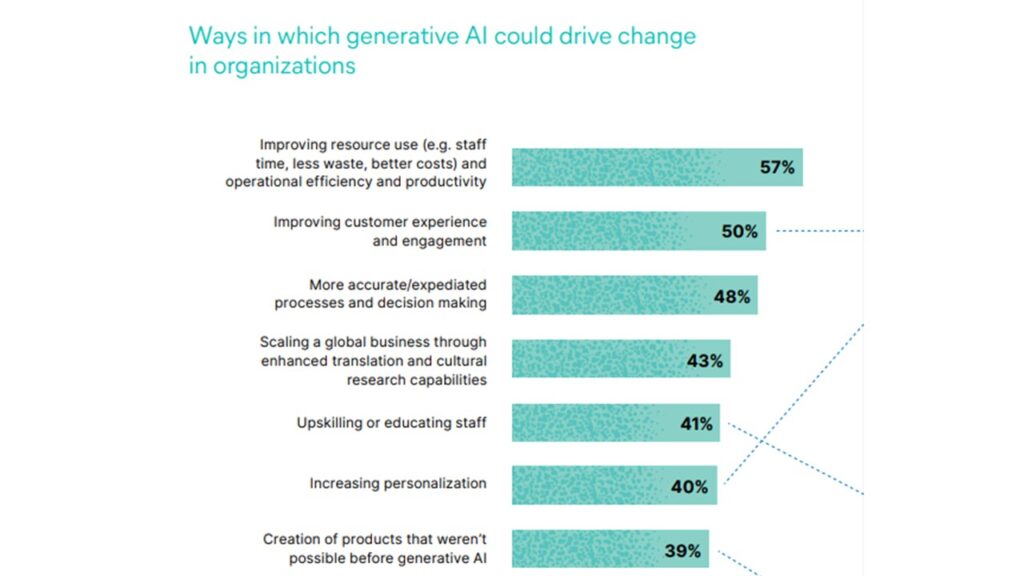
The report based on 3,200 IT/analytics/data respondents from the US, Europe, and Asia Pacific and Japan, revealed that the majority (57%) believe that GenAI can improve resource use (staff time, less waste, better costs) and increase operational efficiency and productivity.
India (81%) and Singapore (63%) are the furthest ahead in implementing or partially using GenAI in their organisation.
Slowed adoption
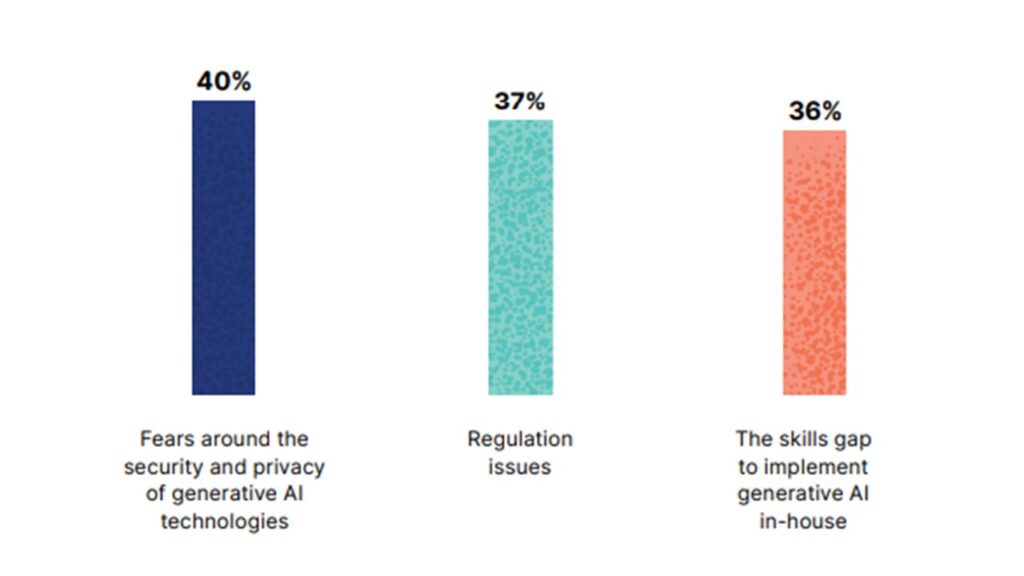
Despite the optimism, 89% of respondents report that their use of genAI has slowed due to fears around its security and privacy (40%), regulation issues (37%), and the skills gap in its implementation (36%).
However, amidst slowed adoption and fears surrounding the use of the technology, 86% of IT decision-makers in Singapore plan to increase their GenAI investments.
The report also revealed the top challenges of organisations revolve around IT security (97%) and observability (95%) challenges.
Next steps
To successfully implement GenAI, Elastic recommends ensuring its accessibility to all employees and equipping them with the skills necessary to maximise GenAI. Organisations should ensure that data is clean and free from bias, strengthen search capabilities, and use a unified data platform for data management and security.
Further, Elastic recommends organisations maximise GenAI as a cybersecurity tool and seek out vendors with expertise in using GenAI in analysing proprietary data and offer relevant insights.