






It can be argued that the enactment of the Global Data Protection Regulation (GDPR) on May 25, 2018 continues to have sweeping influence on the protection of personal data and privacy – not just for European citizens and companies, but for everyone as well.
While it is true that enactment is more stringent and forthcoming in Europe, companies in Asia particularly those with global brands, are just as wary of violating the GDPR conditions.
There are concerns, however, that personal privacy may be taking second place behind sweeping concerns including those of national security. The COVID-19 pandemic is also causing a revisit of the extent to which personal data privacy trumps health and safety issues.
However, Raymond Goh, technical director for Asia & Japan at Veeam, asserts that COVID-19’s impact on enterprises’ data protection strategies will likely be dealt with based on priorities. He acknowledged data protection projects being delayed but is adamant these are not being shelved.
Data protection in the shadow of digital transformation
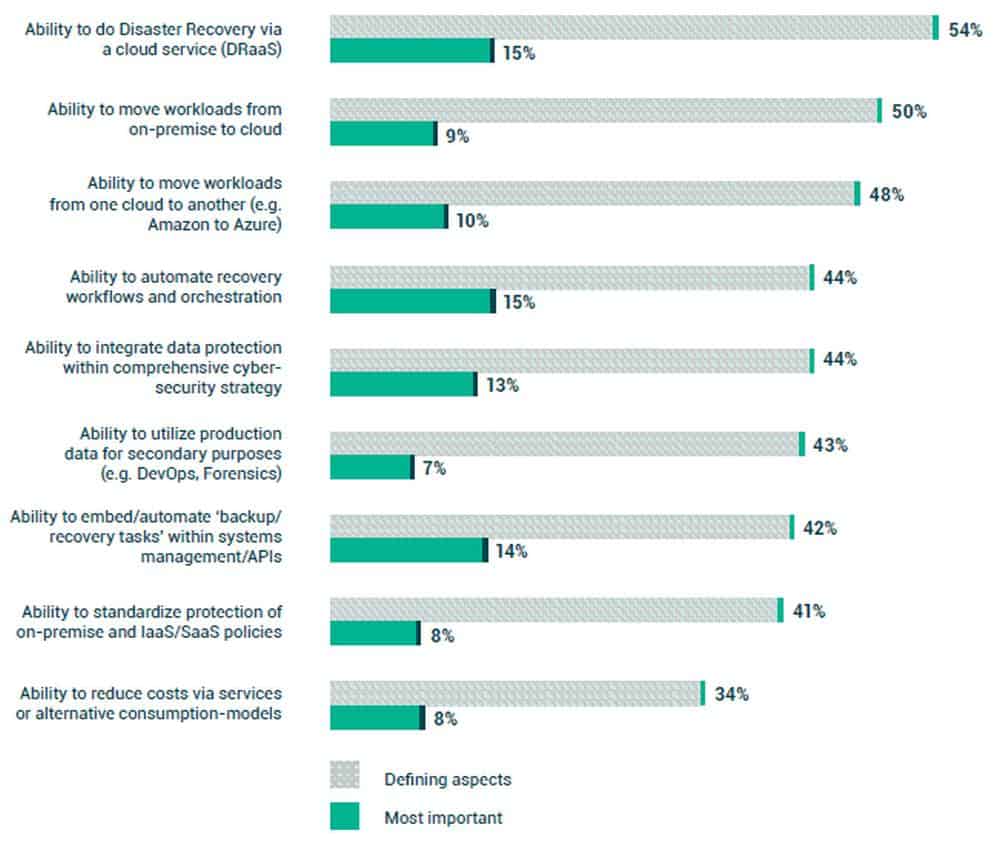
Data is a central tenet of digital transformation, and companies that are on the transformation path see themselves as data-driven businesses.
According to Goh, data protection has evolved from being a second thought or support element to overall digital transformation, but now, data protection is actually one of the key pre-requisite before embarking in data digital transformation projects.
“To a large extent, data protection facilitates and accelerates the successful implementation of digital transformation projects. In short, effective data protection is closely aligned to the success of your digital transformation journey,” he added.
Data protection in the work anywhere era
Whilst organisations, governments and the general public saw the early days of COVID-19 as a cause for concern, many did not anticipate the accelerated rate of infection and the almost immediate (and universal) reaction by governments to issue lockdown measures to contain the spread of the virus.
The perceived suddenness of lockdown measures tested many organisation’s business continuity strategies, with many unprepared for the massive – nearly the entire workforce – working from home (WFH).
Goh believed this “sudden” initiation of work from home did catch many organisations off guard. It also made organisations rethink about the importance of their data protection strategy, especially for organizations that have an increase in cyberthreats with wider data exposure as many are working remotely.
“We do get a lot of requests for revising their protection plan with regards to data residing in hybrid cloud environment either with organization in-house IT team or due to the urgency in some organizations, they will approach our cloud service provider for help,” he continued.
Data Protection in 2020 – Where enterprises stand today
The VEEAM report reveals that enterprises are at the precipice of their own making – with priorities revealing gaping holes in enterprises’ data strategies.
How can an organisation aspire to be data-driven and not have a data strategy? Or is the data strategy limited to acquiring and monetising data but not to protecting it.
The report revealed that 91% of APJ organizations have an “availability gap” between how fast they can recover applications versus how fast they need to recover them. Also, 90% have a “protection gap” between how frequently data is backed-up versus how much data they can afford to lose after an outage.
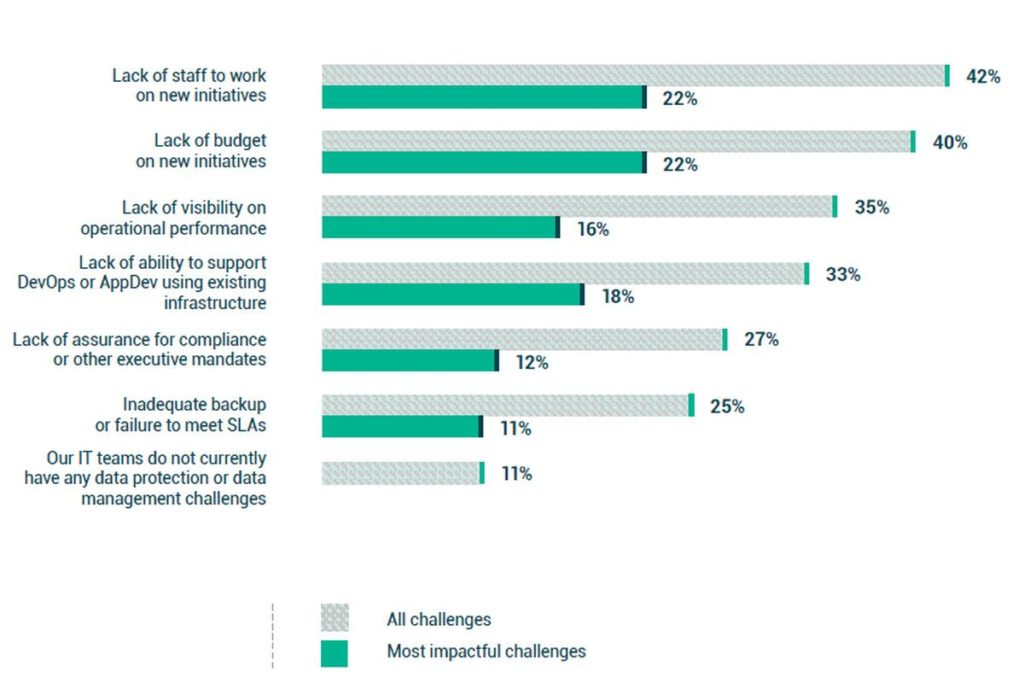
The number one challenge that will impact organizations within the next 12 months is cyber threats (41%). Whilst skill shortage (39%) will continue to rain on everyone’s data protection parade, enterprises have at least a recourse – outsourced security via managed security service providers.
Goh opined that data protection should go hand-in-hand with organisation’s transformation efforts. This is reflected in the Veeam 2020 Data Protection Trends report which revealed that a lack of data protection, downtime and data loss are key concerns among participants to the survey.
“Without a doubt, helping to manage the COVID challenge and the related disruption is the most important initiative for any organization today and thus we do see a delay in data protection projects due to the lockdown and employees working from home. Nonetheless, data protection remains an important project in which organizations will revive once we are out of lockdown. We’ve seen continued growth globally and around the region, albeit slower, which shows the growing importance and priority that businesses of all sizes are attaching to data protection,” he concluded.
- Only 5% of APJ organizations said nothing is preventing or has prevented them from moving forward with digital transformation initiatives. This is lower than the global average of 16%. (Q18)
- Over half (51%) of global respondents believe Digital Transformation can help their organization transform customer service. Almost half said it could transform business operations (48%) and deliver cost savings (47%).