





COVID-19 has changed how we all live, including how we buy and sell. Like most things nowadays, the retail sector is in flux as a result of unprecedented public health restrictions and a dramatic global economic slowdown.
Some brick-and-mortar stores have been shuttered for months and may never reopen. Sure, many e-commerce enterprises are moving ahead. But even those are having to battle unexpected consequences around consumer demand and behaviour. And many trading fundamentals, like inventory maintenance and supply chains, are under stress everywhere.
There is no escaping reality. COVID-19 is changing the nature and business of retailing on many levels, and those who play in this space must adapt. But how?
It’s easy to be gloomy right now, but there is hope. New digital technologies are key – not only for managing current challenges and working toward eventual recovery but as tools to re-imagine the future.
Think ahead
In a way, the best advice is to think ahead. Often enterprises that adopt new technologies to stay ahead during the good times can remain competitive and robust even when things turn bad suddenly.

Let’s consider the example of IKEA. Not long before the virus struck, the Swedish-based furniture company adopted remote collaboration tools for its 166,000-plus workers globally. When COVID-19 hit, and lockdowns were ordered, remote work and communications continued to provide seamless, secure and productive collaboration for the employees. This ability to work around disruptions has proved to be critical for overall business performance over the past few months.
It’s a similar story for other retailers whose first-line workers have been able to remain in stores. They are staying safe and connected as they engage with customers – thanks to solutions like Teams and Power Apps for automated store processes.
COVID-19’s restrictions have resulted in a boost for e-commerce. One of Australia’s largest and oldest retailers, Woolworths, quickly adapted to this shift by harnessing the power of cloud computing to ramp up customer experiences.
Other retailers like Myntra also greatly benefited from the cloud. Just before the pandemic, the Indian fashion e-commerce company migrated its entire data platform to cloud intending to understand consumer needs through analytics. When the first lockdowns were ordered across the country, Myntra already had actionable insights on what consumers wanted and what needed to be prioritized.
Delighting customers
That meant that while other fashion industry players were struggling to attract customers, retailers like Myntra were able to execute a successful sale campaign. It also launched a well-received “Work from Home Edit” on its sales app that focused on categories like comfort wear, loungewear, athleisure, home wear and ethnic wear, delighting customers in the process.
Sometimes the early adoption of new technologies can mean the difference between life and death. Zuellig Pharma is one of Asia’s largest and oldest health care services groups, which supplies hundreds of thousands of pharmacies and clinics with medicines and drugs for millions of patients across the region.
It embarked on a digital transformation journey around two years ago. By the time the impacts of the virus were felt across the region, it had enough cloud infrastructure in place to fast-track a range of digital innovations, which have proved crucial. Among these are two new ordering and payment platforms, eZRx and eZPay, that enable customers in Singapore, Malaysia and the Philippines to maintain vital stocks.
Now let’s look at how technology can help manage disruptions to supply chains and inventories.
Blue Yonder, a global supply chain platform, has developed Luminate Control Tower, which harnesses Azure, AI and ML-based forecasting engines to help companies minimize the pandemic’s disruptive impact on supply chains. The solution provides companies with insights to discover, interpret and act on real-time information from their entire digital ecosystem.
Luminate Control Tower can chart the spread of COVID-19 against a firm’s supply chain metrics to identify at-risk elements of a supply chain. As a result, its enterprise customers are seeing as much as a 30% reduction in expenses and a 60% increase in planning efficiency.
In Australia, surfwear business Rip Curl has turned to data visualization for up-to-the-minute information on managing its store shipments and warehouse inventories by integrating data from its wholesale and retail systems. It has consolidated its data collections to create a single source of truth with instant insights for managers and staff. By creating a data warehouse and deploying data visualization across its organization, Rip Curl now has enterprise-wide clarity.
COVID-19 has accelerated retail trends that existed before the outbreak, such as contactless transactions and in-store automation. In Japan, a major convenience store chain, FamilyMart, is leveraging a cloud-based solution to automate product inspection and shelf stocking using AI, telecommunications and robotics.
Must-dos for retailers

There is no doubt that the pandemic has brought many changes, but it’s also pointing to new opportunities. Here’s what I see as must-dos for retailers who want to adapt, recover and thrive:
- Boost omnichannel touchpoints, and at the same time, redefine the role of the brick-and-mortar store. This could include leveraging data to stay in touch with customer needs and preferences and operate on re-designed in-store customer experiences – safe and efficient and complying with social distancing, occupancy and sanitation guidelines.
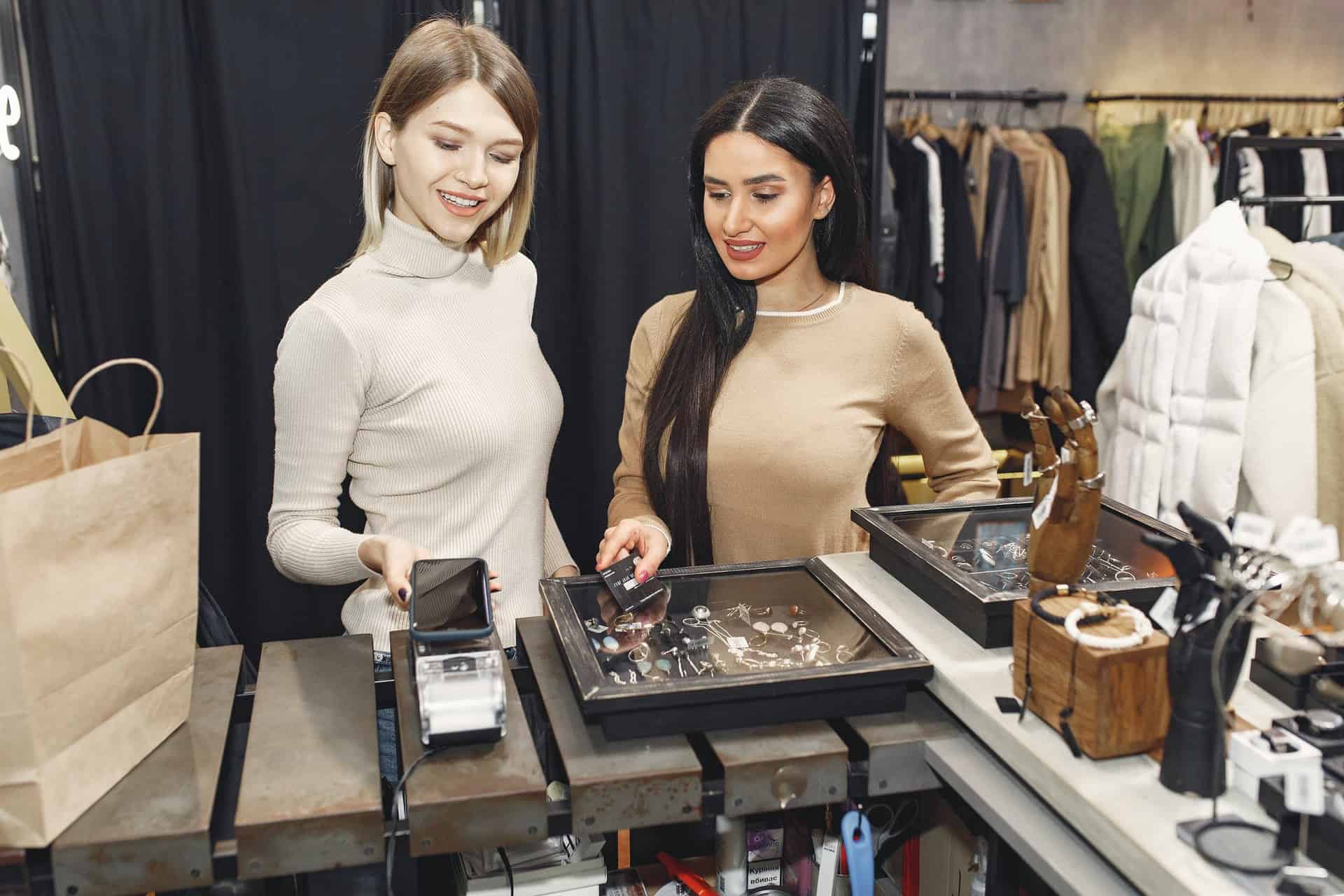
- Maintain contactless shopping options by providing customers with contactless payment, pickup and delivery options.
- Ensure operational agility by having accurate inventory counts, and tools and analytics at the back end to support this.
New partnerships to ensure the above will thus play a pivotal role in the new future. Retailers should start now, by fostering collaborations within and beyond the industry to address challenges imposed by the pandemic and grab the opportunities to meet customers’ needs that will continue evolving in the “new normal.”