





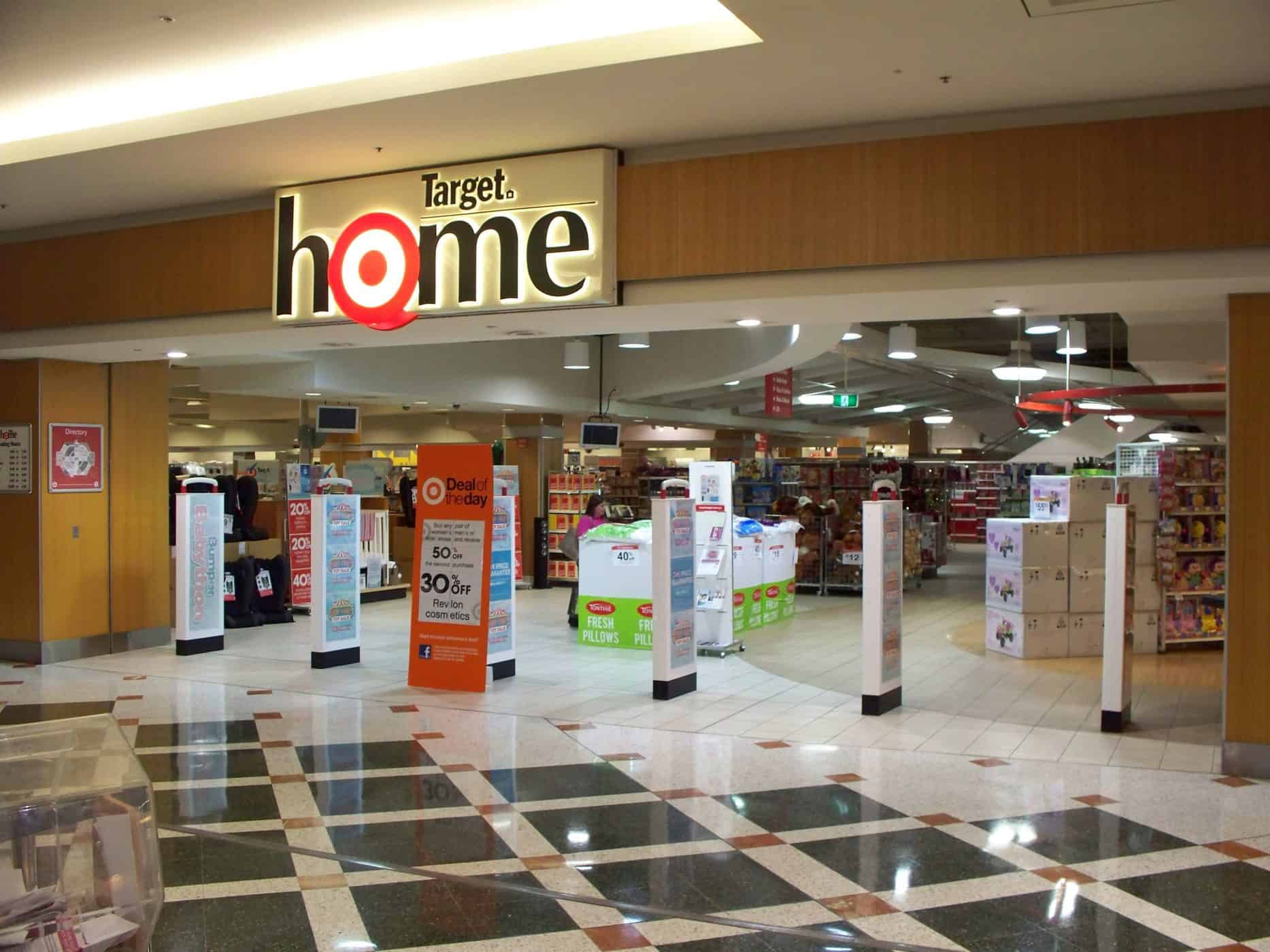
Target Australia is one of the nation’s largest department store chains, operating more than 305 stores across the country. The stores appeal to a broad range of consumers and stock everything from clothing and cosmetics to homewares and electrical items.
The company now employs more than 14,000 people in its stores, distribution centres, and offices. It used a legacy workforce planning system that provided a central data store, but planners had to export data into multiple spreadsheets to manipulate.
The big issue was granularity: While wage budgets could be set at a store level, management at the head office had no way to determine how salary dollars were actually being spent within individual stores.
“This made it difficult to track store performance and plan for change and expansion. We knew we needed to find a smarter way of working,” says Zeeshan Shams, Workforce Planning Coach at Target Australia.
Click here to download this case study to discover how Target Australia has streamlined retail staff scheduling to meet its growth projections.
To know more about the challenges of retailers, click here to download the State of Connected Planning at a glance: Retail.
You may also want to download Nucleus Research’s Guidebook to Connected Planning with Anaplan on Anaplan’s enterprise planning platform.