
In an industry once defined by diesel engines and dispatch radios, women leaders in fleet management are now driving innovation in telematics, sustainability and industry advocacy.
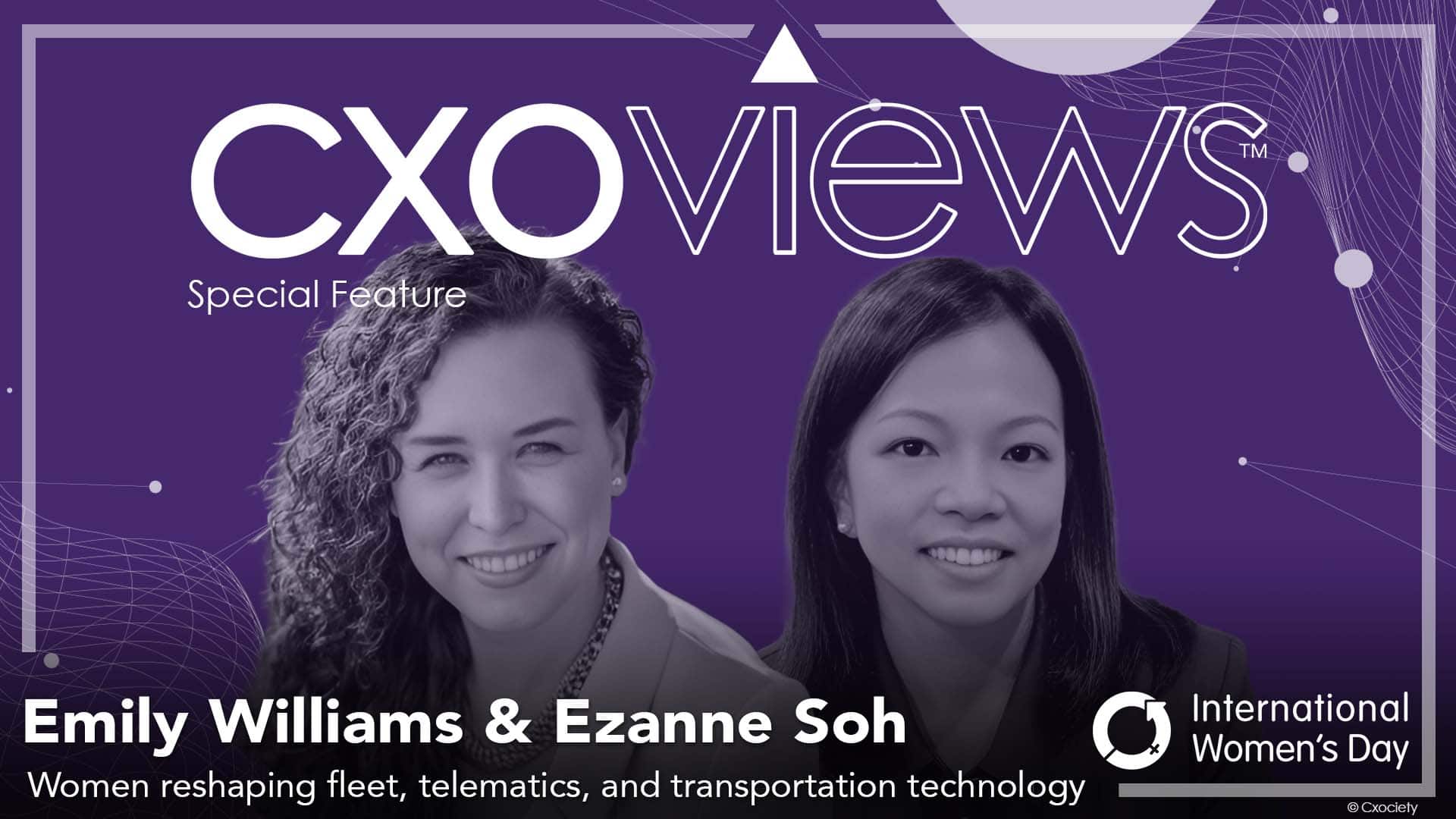
At Geotab, Emily Williams, associate vice president for Transportation Business Development, and Ezanne Soh, senior regional manager for APAC, shared their journeys in the fleet industry and how they continue to push the boundaries for women to take their place in a traditionally male-dominated field.
Unlikely entrances
Neither Williams nor Soh was born into the trucking industry.

"Within the trucking industry, you're either adopted into that, or you're born into it. I was definitely adopted, and now they can't kick me out," Williams said.
Coming from the software industry, Williams ventured into transportation after encouragement from a friend.
"I knew nothing about the industry, like absolutely nothing. But I had mentors who took the time to teach me from the ground up," she said.
For Soh, entering the industry was driven by her desire to explore something different, "so that I could challenge myself and also see what's out there apart from banking and finance," she explained.
She admitted feeling intimidated when she first joined the company, as she was the first female hire in APAC.
When you decide to spend time to learn, that's when you excel. Ezanne Soh
"Initially, you don't really know what you're getting into. But when you decide to spend time to learn, that's when you excel," Soh said.
Leadership lessons
Williams now leads a large sales team focusing on North America at Geotab. She credits mentorship and a supportive community for helping her grow into leadership.
She also underscored the value of collaboration within her team, acknowledging that each member brings unique strengths toward a common goal.
"I think the right leadership is about empowering people and not doing it all yourself. And that's something I've really had to learn. Yes, I could do this on my own, but I would eventually burn out. I have to be able to delegate, and I have to be able to trust the people that work for me to empower them and to promote them to the next level," she said.
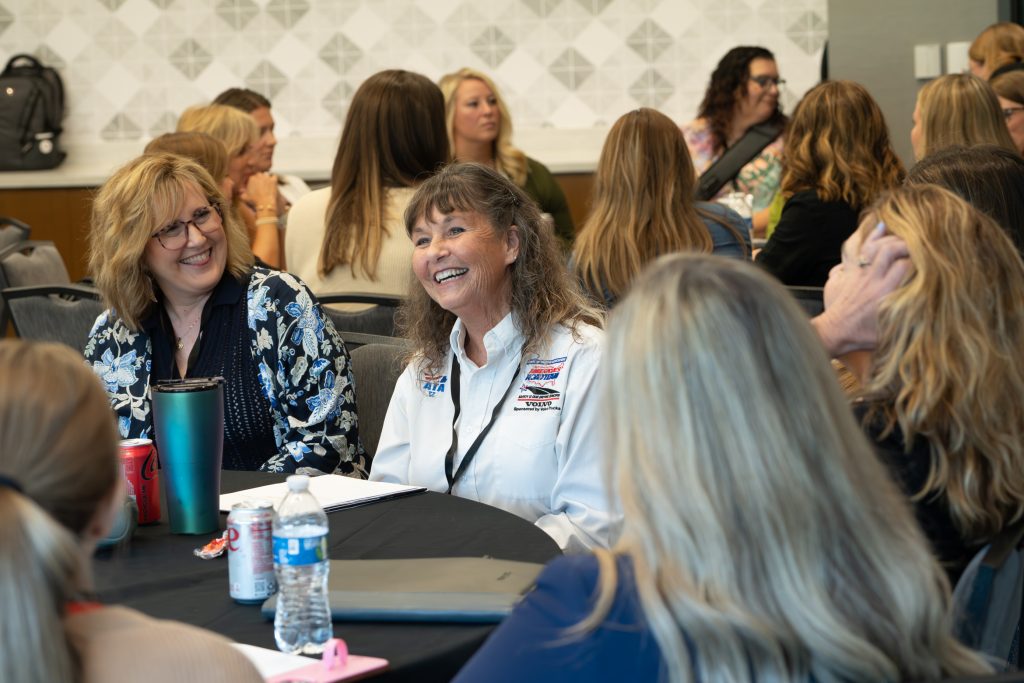
Beyond her role at Geotab, Williams is also a board member of the American Trucking Association’s Women in Motion, a group that promotes and supports the advancement of women in the trucking industry.
Speaking about her advocacy for empowering women in the sector, Williams said: "How can we really change the shape of women in this industry? They need community. They need advocacy. They need mentorship."
"That's probably been the highlight of my career: being able to step into that position and having leaders that trust me, and working together as a team to really affect women in this industry," she added.
Meanwhile, Soh's role focuses on regional market expansion across Asia-Pacific, where relationship-building has been central to her leadership approach.
"Once they trust you, that's where the spark comes," Soh said, noting that this approach helped her build product presence in APAC, particularly in Australia, from the ground up. She considers this one of the proudest moments of her career.
"Internally as well, by working with the different team members that we have, being able to be very collaborative and seeing everyone playing on a fair field. There's no hierarchy in terms of how I speak to them. It's more of a collaborative approach," she added.
When asked about her leadership values, Soh said: "Resilience and empathetic listening, those are key."
Barriers that persist

Despite their leadership roles in a male-dominated industry, both women acknowledge that barriers still exist.
"I went to my first show, there were probably 500 people in the room, and I counted 10 women," Williams recalled. "I think there are a lot of barriers to women not really understanding how fantastic this community is."
Williams also noted that the industry still needs to address gaps in maternity policies and childcare support.
"There are a lot of women who don't have that option. They have no other option but to work. I think we need to really support them in where they're at," she said.
Soh, meanwhile, said gender bias still surfaces in professional settings.
"But that can be disrupted when you build a relationship with them and listen to what they are talking about. When you make a difference in the way you deliver outcomes to their business, that's when they feel that you are someone who can honour your word, fulfil your promise, and make a commitment to them," she explained.
The future of women in fleet and telematics
Despite these barriers, both leaders encourage more women to enter the field.
Williams has two words for aspiring women leaders in fleet management: show up.
"I would never have that chair seat if I didn't show up consistently. Just showing up, participating, raising my voice, and leaning in when I had an opportunity to speak, that's critical," she said.
"Women need to be a bit more confident and just go for it. Even if they don't feel qualified, sometimes they are called, and the qualification will come later."
Soh similarly advises aspiring female leaders to be courageous.
"There are a lot of times we want to speak up, but we take a step back because we're worried about how people may view us. But actually, the only limiting factor is yourself," she said.
"If you give yourself a chance to speak up, you are bound to make a difference somewhere. It's just that you may not realise it because you're not willing to step out of your comfort zone."
I would never have that chair seat if I didn't show up consistently. Emily Williams
Women in fleet management
As fleets become increasingly connected, sustainable, and data-driven, leaders like Williams and Soh are proving that transportation transformation isn't just about technology. In light of International Women's Day, these leaders also serve as a reminder of who is at the table shaping its direction.
They may not have been born into trucking. But today, they are helping redefine who belongs in it.