

Singapore wants to drive more meaningful adoption of artificial intelligence (AI) through a new national council and national “missions”, with focus on select industry sectors.
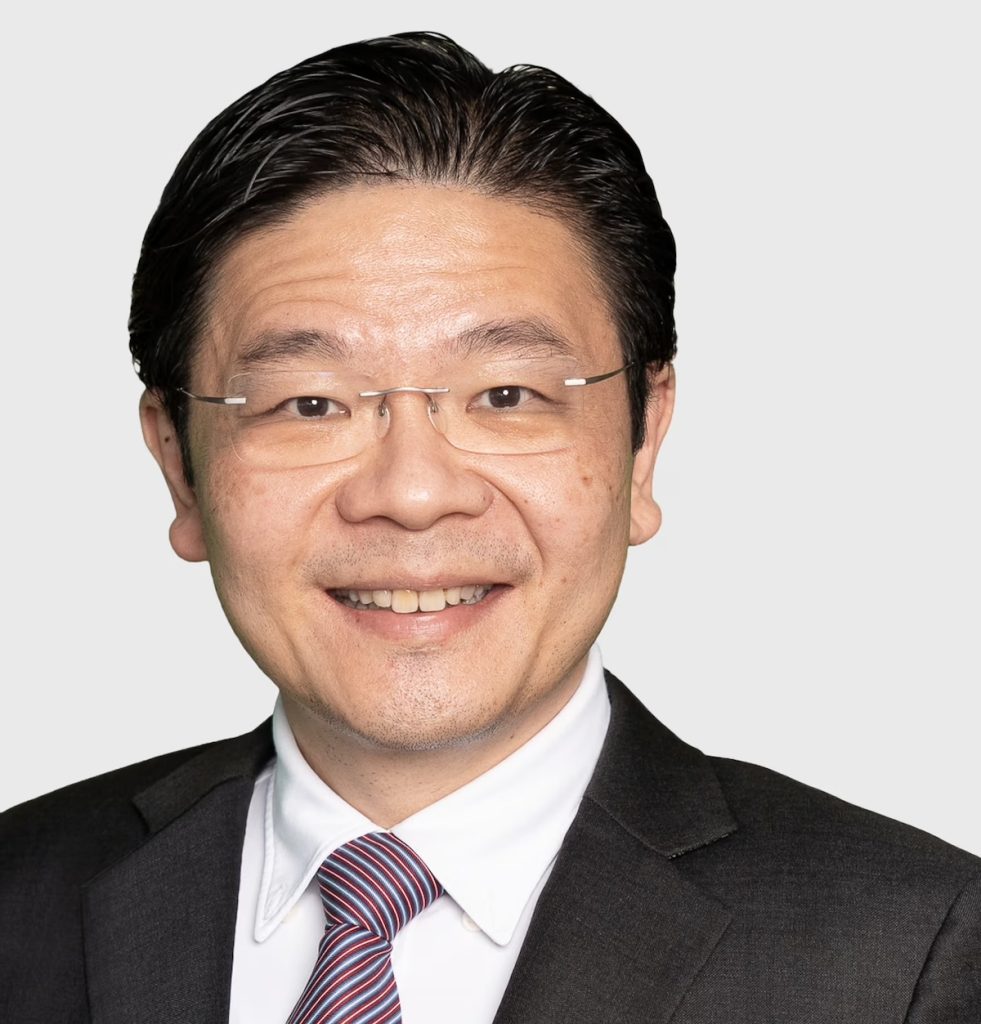
These initiatives will aim to drive AI-powered transformation in key verticals, including advanced manufacturing and healthcare, and accelerate AI adoption amongst enterprises, according to Singapore Prime Minister Lawrence Wong.
The ability to harness new technologies, specifically AI, will be a pivotal factor for success in today’s world, Wong said in his Budget 2026 speech.
AI has advanced quickly and nearing a stage where systems can write their own code and improve through iterative learning.
Describing its potential as immense, he said AI can raise productivity, unlock new discoveries, and transform lives.
“But with this promise comes deep concerns,” he noted, pointing to worries that AI will displace jobs, spread misinformation, be biased, and be used unethically.
Such issues should be addressed while Singapore looks to move ahead with the technology, he said.
“We will define how AI is developed and used in Singapore,” Wong said. “We will set clear rules to ensure it is applied responsibly and safely... Harnessed well, AI will be a strategic advantage for Singapore. It can help us overcome our structural constraints -- our limited natural resources, rapidly ageing population, and tight labour market.”
To fully realise AI’s potential, he underscored the need to go beyond standalone pilots and isolated experiments.
“We must organise at a national level and move with speed and scale,” he said.
He noted that the country’s advantage is in deploying AI “effectively, responsibly, and at speed”. The country can be a trusted global hub where companies and researchers gather to develop and deploy AI solutions, he added.
Its ambition to be a global trusted AI hub means AI governance will be a core business requirement, said Edmund Heng, partner in technology risk at KPMG in Singapore.
In his commentary note on the budget, Heng said organisations must implement AI governance measures, leveraging guidelines from Singapore government agencies to remain competitive and credible.
Moving AI beyond pilots
Through its new national missions, which will also focus on the connectivity and finance sectors, Singapore hopes to help companies in these sectors achieve tangible outcomes through AI.
For example, in logistics, AI can be used to automate airport and seaport operations, and move goods more efficiently.
Regulations will be reviewed and sandboxes created to enable companies to test AI innovations safely, Wong said.
He added that the government will align its research and development (R&D), regulatory, and investment efforts to drive the national missions.
A national AI council also will be established to ensure such activities are coordinated and provide a strategic direction for Singapore’s AI agenda, said Wong, who will chair this new council.
“For AI to truly transform our economy, companies must adopt it comprehensively. Many firms say they are using AI, but end-to-end transformation with AI is very demanding,” he said.
“It requires organising data, rebuilding systems, redesigning processes and jobs, and retraining workers. Even the major global companies are grappling with this. But those that succeed will gain a decisive competitive advantage,” he noted.
Singapore’s competitive advantage in AI will not come from building the largest frontier models, but from deploying AI effectively, responsibly, and at speed, said Gayathri Peria, Southeast Asia general manager at SUSE.
“[This] requires strong governance, interoperability, and supply chain resilience, especially against a backdrop of increasingly complex geopolitical risks,” Peria said. “Sovereign AI is, therefore, not about isolation, but about maintaining long-term control over data, infrastructure, and strategic capabilities.”
More AI help for enterprises

A “Champions of AI” programme will be launched to support organisations looking to tap AI for their business transformation, according to Wong.
Under the new scheme, support will be customised to each company’s requirements, including workforce training. When they succeed, these organisations will set benchmarks for others in their industries to follow, he said.
In addition, the government will expand Singapore’ existing Enterprise Innovation Scheme, which offers enterprises 400% tax deductions on eligible spending in activities, such as R&D and skills development.
This programme will include AI expenditures as a qualifying activity over two years of assessment in 2027 and 2028, capped at SG$50,000 per year.
A new co-working space dedicated to the AI community also will be set up, with the aim to gather AI founders, practitioners, and researchers.
Called Lorong AI, the facility will be part of a larger AI park located at One-North, Wong said.
Support also will be provided to help workers better adapt and ride the transition to an AI era, where new roles will emerge and existing jobs will evolve. In particular, workers will be guided on how to leverage AI to replace routine tasks.
Accountants, for instance, can automate data consolidation, preparation, and bookkeeping, so they can spend more time on forensic work and complex analysis.
“Because AI is already reshaping many forms of white-collar and cognitive work, we will start with the accountancy and legal professions, and progressively extend them to other fields,” Wong said.
Singaporeans who take up selected AI training courses also can have six months of free access to premium AI tools, several of which require paid subscriptions for access to more advanced models.
One of the biggest challenges with AI today is that it generates outputs at lightning speed, but without context, Megan Hughes, Asia-Pacific Japan managing director and vice president for HubSpot. These outputs rarely drive real business results, she said.
“AI adoption in Singapore isn’t being slowed by a lack of ambition, but by structural hurdles like the lack of a reliable data foundation,” Hughes said.
“Competitive advantage in Singapore's next decade will be defined not just by speed, but by how effectively organisations embed AI into core operations,” she said. “Leadership alignment and the ability to establish hybrid human-AI teams will matter more than technology selection.”
Singapore companies invested an average SG$18.9 million in AI over the past year, gaining an average 16% in returns on investment (ROI). This is expected to grow to 29% within two years, said Eileen Chua, SAP Singapore’s managing director, citing the software vendor’s Value of AI report, which polled 200 respondents in the country.
“Government support that enables clear objectives, regulated sandboxes, and coordinated industry missions will help enterprises accelerate that transition from early returns to sustained value,” Chua said.