
The International Women's Day (IWD) 2026 theme "Give to Gain" calls for generosity—through mentoring, sponsorship, knowledge-sharing and stretch roles—to unlock collective progress.
In Asia's banking sector, this mindset is more than inspirational; it is strategic. As banks modernise legacy platforms with AI, cloud and real-time data, women technology leaders are uniquely positioned to drive measurable shareholder, customer and employee value.
Research in 2025–2026 shows uneven but accelerating progress. In Hong Kong, women occupy 45% of senior leadership roles (CEO, managing director and three levels below) across banks, asset management, insurance and fintech—an 11 percentage-point rise since 2018—and 37% of board seats, per the "Tipping the Scale" 2025 report by Women Chief Executives Hong Kong, KPMG and The Women's Foundation.
Globally at Standard Chartered, senior women leadership reached 33% as of 31 December 2025, up 8 percentage points since signing the Women in Finance Charter in 2016, with a target of 35% by end-2028.
In Southeast Asia, a vital hub for ASEAN banking and fintech growth, gender dynamics in financial inclusion show progress alongside deep challenges.
The ASEAN Socio-Cultural Community (ASCC) Research and Development Policy Brief No. 30 (2025), "Beyond Technology: Gender Inequality and Challenges to Financial Inclusion in ASEAN", notes that ASEAN has narrowed its financial inclusion gender gap, with no significant disparity in account ownership or digital payment participation over the past decade, thanks to fintech and digitalisation.
However, risks persist, including technology-enabled gender-based violence (e.g., doxing, extortion), and women often lag slightly in financial literacy, needing targeted gender-sensitive efforts.
Persistent inequalities fuel the "feminisation of poverty," such as land ownership disparities limiting collateral access and differing borrowing patterns (women more for education, men increasingly for business).
The brief urges mainstreaming gender equality in financial inclusion, bolstering women-centred bank initiatives under the ASEAN Banking Integration Framework, enhancing literacy for vulnerable women, and tracking gender-disaggregated data to empower beyond MSMEs.
Regionally, senior tech representation remains low: women hold just 8% of technical leadership roles and 23% of senior leader positions in top Southeast Asian tech firms (including fintech), per BCG's 2024 report "Closing Tech's Gender Gap in Southeast Asia". Issues such as gender-blind AI strategies, pipeline leakage, caregiving burdens, and promotion bias hinder advancement.
Data as the new currency: Opportunities in agile banking

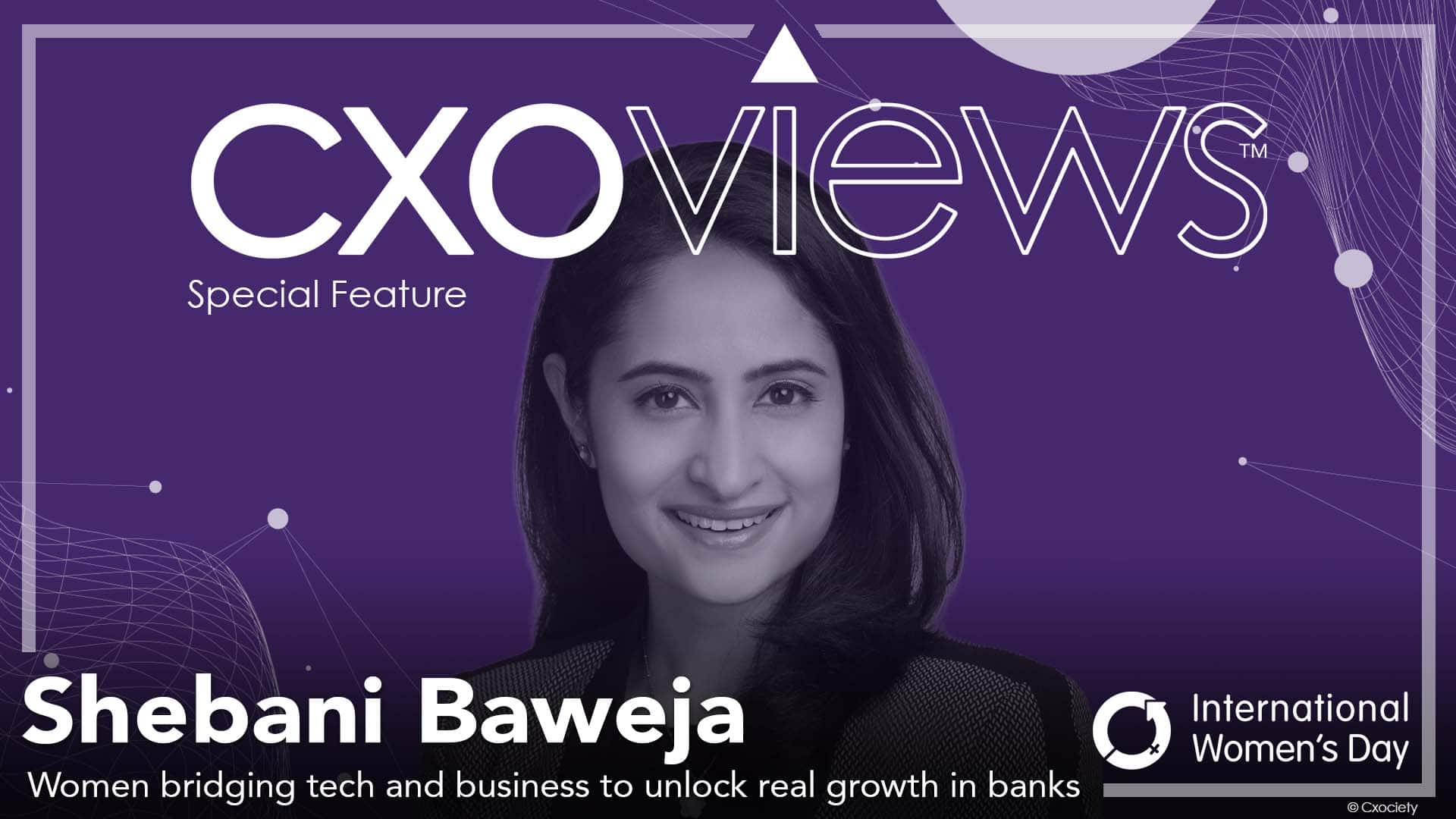
Banking in 2026 rewards disciplined, agile organisations that embed transformation into the operating model. "Data is central to that shift," explains Shebani Baweja, interim group chief data officer at Standard Chartered.
"When client data flows across channels, teams can anticipate needs and personalise propositions. When risk and behavioural data are joined up, decisions become faster and sharper. When operational data is clean, onboarding accelerates and experience improves," she elaborates.
This aligns with 2025–2026 trends: AI agents, real-time platforms, and cloud migration dominate Asian banking, creating demand for data governance skills (Forbes Banking & Fintech Trends 2026).
The ASEAN brief reinforces this by noting fintech's role in inclusion but warns of risks if it is not gender-sensitive.
Baweja stresses that women leaders connecting data strategy to revenue, resilience, and trust—while embedding inclusive practices—can shape sustainable performance and advance financial inclusion goals in ASEAN's growing digital economy.
The art of translation
"The gap in modernisation is translational, not technical," insists Baweja. She cites the example of fraud detection: "Cyber and data teams may build sophisticated models, but value is realised only when frontline teams adjust controls and client communication improves."
When it comes to digital onboarding, she explains that technology reduces manual steps, but businesses must redesign processes to shorten turnaround time.
"Core hygiene skills matter: execution discipline, cross-functional collaboration and alignment to strategy," Baweja notes.
The differentiator is linking tech to commercial outcomes—lower cost-to-income, higher wallet share, reduced risk. Fintech talent shortages in AI/ML, cybersecurity, and data science are acute in Asia, as noted in the EY Asia FinTech Survey 2025.
Women excelling at translation—often leveraging collaboration strengths—turn investments into productivity and growth, while addressing the ASEAN brief's call for women-centred banking initiatives to boost productive participation.
Steps to decision-making roles
Many women remain in support roles, but Baweja advises: "Move closer to value creation." She advocates leading client analytics to drive cross-sell gains, owning regulatory remediation to strengthen reporting, or improving models to cut losses. "Deliver something measurable."
"Growth is a function of what you bring — expertise in data governance, platform transformation, risk frameworks — and how you operate: collaboration, transparency and the ability to simplify complexity." Shebani Baweja
McKinsey's Women in the Workplace 2025 shows lower promotion rates for women; in Asia, cultural and work-life factors exacerbate leakage, according to BCG's "Closing Tech's Gender Gap in Southeast Asia". Banks placing women in revenue-linked transformation roles see faster progress, mirroring Hong Kong's benchmarks and ASEAN's push for gender mainstreaming in financial frameworks.
Give to gain in action
Asked to reflect on the IWD 2026 theme "give to gain", Baweja declares that for her, the most powerful giving is opportunity. "This means advocating for others to lead visible programmes and enter decision-making forums. It's also giving access and guidance, formally and informally," she continues.
She points to avenues such as Lean In Circles that create structured sponsorship and peer support. She acknowledges that the combination of these activities, together with informal guidance, multiplies impact.
"We continue to take meaningful steps at Standard Chartered towards advancing gender equality and strengthening our senior leadership talent pipeline through our people processes and development initiatives, including targeted sponsorship and recruitment campaigns, and the results show progress," beams Baweja with pride.
This echoes IWD 2026's ethos: mentorship and sponsorship yield performance gains and an inclusive culture. BCG research shows mentorship doubles promotion speed for women in Southeast Asian tech.
Turning compliance into competitive advantage
The banking industry is acknowledged as one of the most heavily regulated sectors in the world. And yet for Baweja: "Regulation should not be viewed as a brake on innovation — it is the foundation that allows it to scale."
Strong data lineage improves reporting and management info; model governance enhances transparency for pricing; resilience standards build redundancy.
"These are horizontal foundations — data literacy, governance frameworks, control discipline — that enable vertical growth opportunities such as new digital products or cross-border expansion," she continues. These capabilities enable digital products and cross-border growth.
"Leaders who embrace this 'Give to Gain' mindset recognise that maintaining a strong licence to operate underpins sustainable growth. In banking, trust is not a cost. It is a multiplier." Shebani Baweja
Early ownership: Advice for young women entering banking
Baweja's key action: "Own something measurable early." Improve processes, deliver insights, lead sprints. Develop data fluency—"the ability to interpret information and apply sound judgement will define leadership relevance."
She advocates staying curious, being willing to learn and unlearn quickly, and taking smart risks early. For her, these help us discover where our strength and energy lie.
She also recommends choosing organisations that value inclusion and constructive challenge.
"Growth accelerates where diverse perspectives are respected, and performance expectations are clear. Confidence grows through competence and exposure. Seek both," she strongly recommends.
The "Give to Gain" mindset—mentoring, sponsoring, owning outcomes—multiplies impact, aligning with ASEAN recommendations for gender-mainstreamed inclusion and literacy. By taking the opportunity today, women leaders and allies can build stronger, more inclusive banks and sustainable growth across Asia.